As a game journalist in 2026, I find myself looking back on industry controversies that forced necessary, if painful, conversations. One such moment was the definitive response to the serious allegations against Elliot Gindi, the former English voice actor for Genshin Impact's beloved character Tighnari. The situation, which unfolded publicly, saw fans and fellow professionals unite in demanding accountability, leading to a swift and clear contractual resolution from the developers.
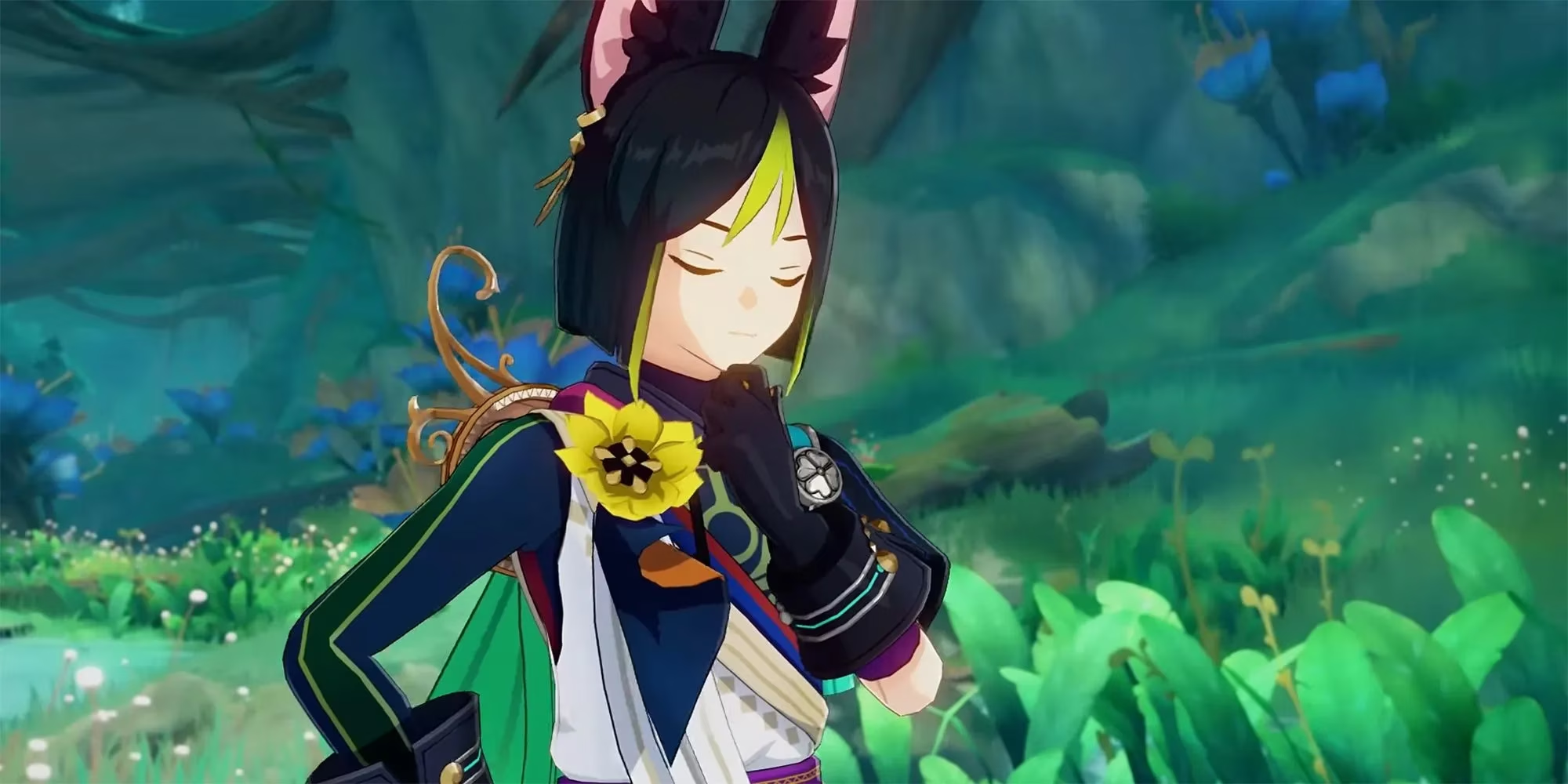
The core of the allegations, which emerged from fan accounts on social media, was deeply disturbing. Gindi was accused of leveraging his position to engage in inappropriate relationships with fans, including coercing them for explicit photographs and using emotional manipulation—specifically threats of self-harm—to silence them. While Gindi publicly admitted to the authenticity of much of the damning chat log evidence, stating, "All of the cringy sex talk was real," he contested certain specifics, vehemently denying he knowingly interacted with minors or disrespected pronoun changes. This partial admission, however, did little to mitigate the community's outrage. The breach of trust was profound. Players, other voice actors, and even members of the development community voiced a unified call for consequences, with many suggesting an immediate switch to other language dubs to avoid supporting his work.
The pressure was immense and multifaceted. From the grassroots level of the player base to industry insiders like voice director Chris Faiella, who pledged to use his "limited power" to rectify the situation, the demand for action was clear. This collective stance highlighted a maturing expectation within gaming communities: that the individuals behind cherished characters must be held to basic ethical standards. It was no longer just about the performance but the person giving it voice. The response from HoYoverse, Genshin Impact's developer, became a critical test of their commitment to these community values.
Thankfully, the developer's response was unambiguous and decisive. Citing a "breach of contract," the company announced that Elliot Gindi would no longer be associated with the role of Tighnari. More importantly, they committed to a full recasting and re-recording process. Their statement was clear: "We are communicating with the voice recording agency regarding matters of casting and re-recording. We will gradually replace Tighnari's existing in-game voice lines." This was not a quiet removal but a proactive, corrective measure. It signaled that the integrity of the game's world and the safety of its community took precedence over any single contributor. The process, while logistically challenging, was a necessary step to heal the rift and restore player trust in the character.
😔 The incident served as a stark reminder of the power dynamics at play between creators and fans.
🌟 The community's vocal advocacy demonstrated a powerful force for positive change.
🎙️ The developer's firm action set a precedent for handling serious misconduct allegations.
Reflecting on this from 2026, the Tighnari recasting event stands as a significant milestone. It showed that when faced with credible allegations of harmful behavior, the expected industry response had evolved from silence or delay to prompt and transparent action. The successful replacement of the voice lines ensured that Tighnari's character could endure, separated from the controversy, allowing players to continue enjoying the game's world without compromise. It was a difficult chapter, but one that ultimately reinforced the principle that no individual is bigger than the community they serve.